
By joining fifteen international maritime treaties at once, and at little cost, Somalia is assembling the legal machinery that shipping insurers, financiers and seafarer employers require.
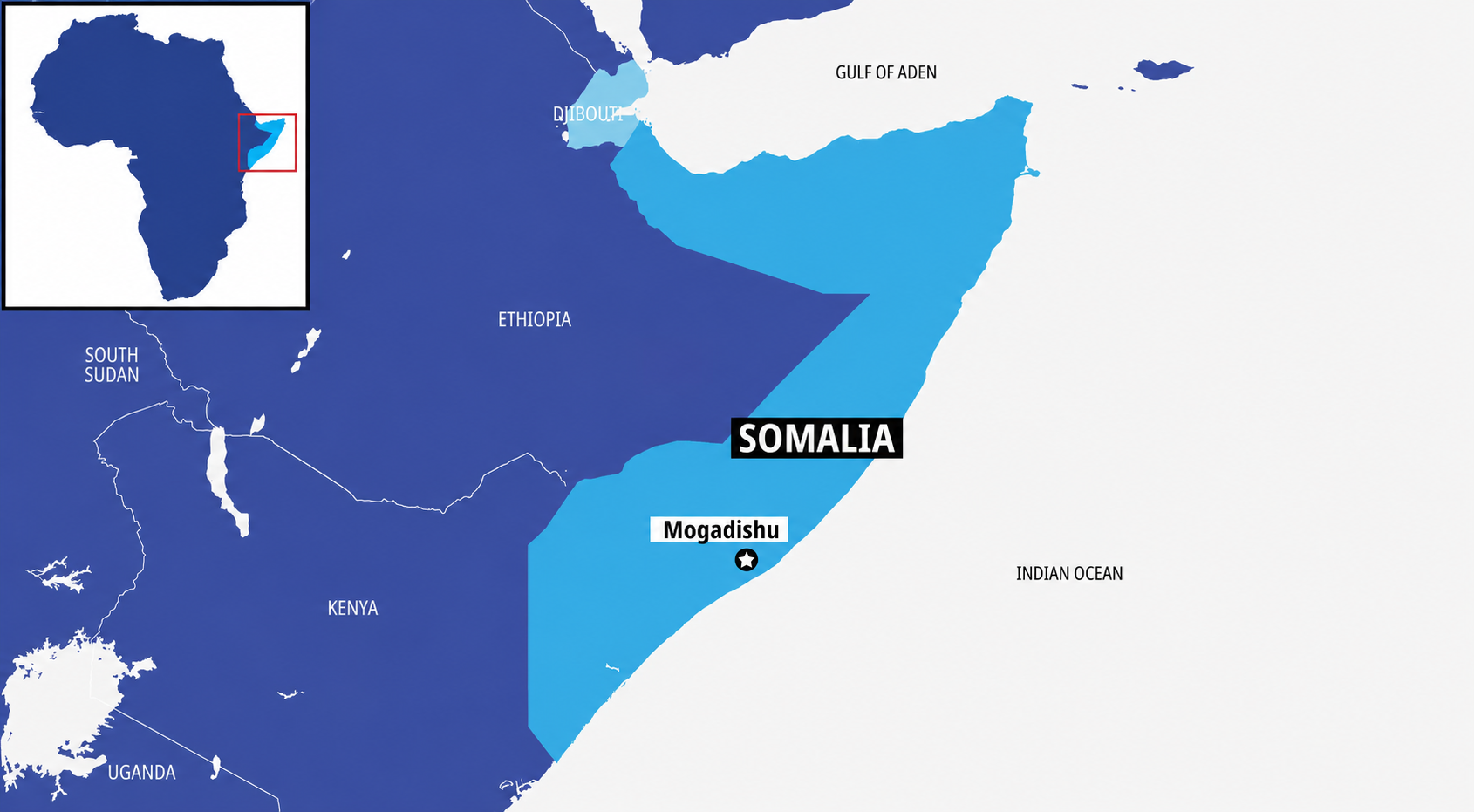
Somalia has moved to join fifteen international maritime conventions. The announcement, made by the Ministry of Ports and Marine Transport, frames the move as the largest modernisation of the country's maritime law since independence. Despite holding the longest coastline on mainland Africa and sitting astride one of the world's busiest shipping corridors, Somalia had acceded to only three maritime conventions in the 66 years since 1960, leaving its waters largely outside the legal order that governs global shipping.
The clearest economic gain is in oil-pollution liability. By acceding to the 1992 Civil Liability and Fund Conventions, Somalia joins the compensation regime run by the London-based International Oil Pollution Compensation Funds. Under it, a tanker owner carries strict liability for spill damage, and where that is insufficient a central fund tops up compensation to victims, up to roughly 203 million Special Drawing Rights, about $285 million, for a single incident. Claimants can include the state itself, local authorities, businesses and fishers.
For a coastline that depends heavily on fishing and lies along the Gulf of Aden tanker route, the value is substantive. Until now, any major spill in Somali waters would have left affected communities and the treasury with no access to the international fund. The arrangement is also financially favourable: the fund is financed by levies on companies that receive large volumes of oil by sea, not by member states, and only on receivers handling more than 150,000 tonnes of crude or heavy fuel oil a year. As a fuel importer rather than a major crude receiver, Somalia is unlikely to face a heavy contribution bill, gaining protection at modest cost.
A second, less visible benefit runs through insurance and investment. The liability and wreck-removal conventions oblige ships to carry financial security against the damage they might cause. That matters to the protection-and-indemnity clubs that insure shipping, to the lines that call at Mogadishu and Berbera, and to any financier weighing exposure to Somali ports. A predictable legal framework lowers the regulatory-risk premium that has long deterred capital. With the government courting investors for a planned new international port and special economic zone near Mogadishu, that framework is a precondition rather than an afterthought.
A third channel is labour. The convention on seafarer training and certification, known as STCW, sets the international standard by which a mariner's qualifications are recognised abroad. Accession is the first step towards Somali seafarer certificates being accepted on internationally trading vessels, opening a route to maritime employment and the remittance income that flows with it.
Acceding to a convention, however, is not the same as bringing it into force, and still less the same as enforcing it. The treaties will bind Somalia only once the formal instruments are deposited and take effect, and their value then depends on administrative capacity the nation is still building: issuing recognised certificates, inspecting vessels, and processing compensation claims. Still, the direction is consistent with the broader pattern of regulatory reform Somalia is pursuing under its 2025-2029 framework, the National Transformation Plan.